Most Common Body Types
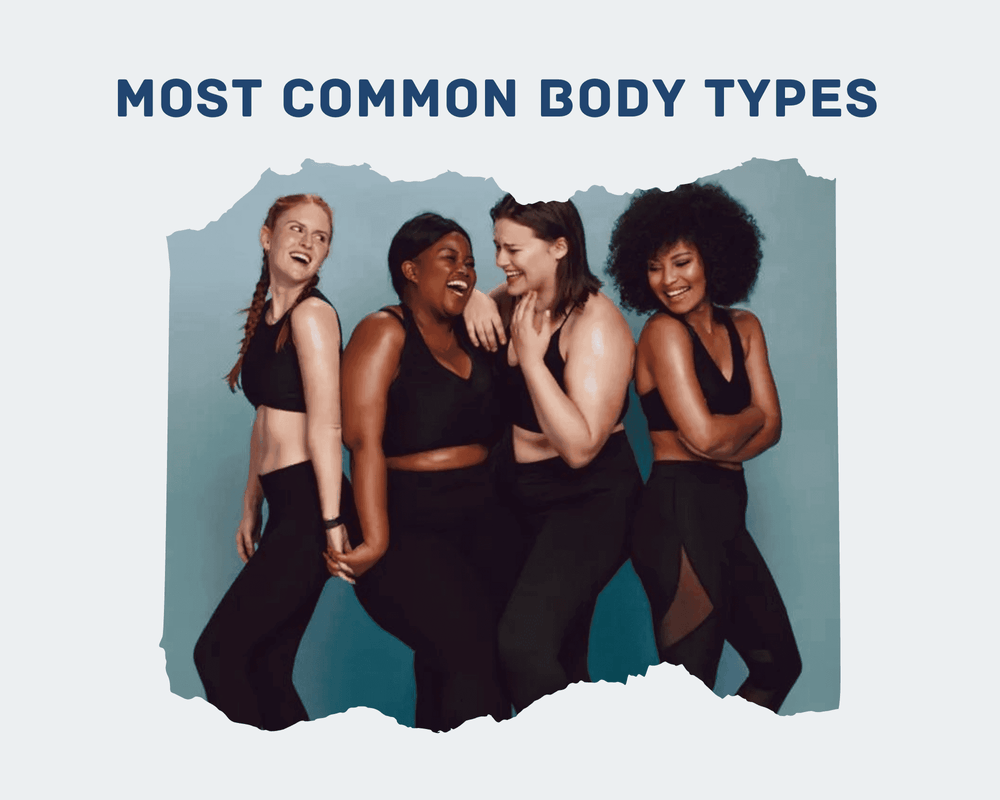
Explore the most common body types across the globe, from somatotypes to shape-based classifications. Understand the influence of culture on body types, learn about the health implications of different body types, and discover how to tailor diet and exercise routines for each body type.
Introduction
The human body is a marvel of biological diversity. Each person’s body is unique, shaped by a combination of genetics, diet, and lifestyle. However, despite this diversity, certain patterns emerge. These patterns, or body types, are categories that describe general physical characteristics shared by large groups of people. In this article, we will explore the most common body types and delve into their unique characteristics.
The Concept of Body Types
The concept of body types, also known as somatotypes, was developed in the 1940s by American psychologist William Sheldon. Sheldon believed that by classifying individuals into specific body types, one could predict their temperament and behavior. While Sheldon’s psychological theories have been largely discredited, his classification of body types is still used today, particularly in the fields of health and fitness.
The Three Most Common Body Types: Somatotypes
One of the most widely recognized classifications of body types is the somatotype theory. This theory categorizes body types into three main groups:
- Ectomorph: This is one of the most common body types. Ectomorphs are typically lean and long, with a fast metabolism that makes it challenging for them to gain weight. Ectomorphs often struggle to build muscle mass, but their lean physique is advantageous in sports that require endurance or speed, such as long-distance running or cycling.
- Mesomorph: Another one of the most common body types, mesomorphs are muscular and well-built. They have a high metabolism and responsive muscle cells, which allows them to gain and lose weight relatively easily. Mesomorphs are naturally strong and tend to excel in sports that require power and strength, such as weightlifting or sprinting.
- Endomorph: This is also among the most common body types. Endomorphs tend to have a higher percentage of body fat and are usually of a shorter build with thick arms and legs. Endomorphs often struggle to lose weight, but their sturdy physique is advantageous in sports that require stability or power, such as wrestling or powerlifting.
Shape-Based Classifications
Rectangle: This body type, also one of the most common body types, is characterized by similar waist, hip, and shoulder widths. It’s also known as a “banana” or “straight” body type. People with a rectangle body shape may find that they gain weight evenly throughout their body.
Pear (or Triangle): This body type, another among the most common body types, features larger hips compared to the shoulders and bust. This body type is also referred to as a “spoon” or “bell” shape. People with a pear body shape may find that they tend to gain weight in their lower body.
Apple (or Inverted Triangle): This body type, also among the most common body types, features a wider shoulder and bust compared to the hips. It’s sometimes referred to as a “cone” body shape. People with an apple body shape may find that they tend to gain weight in their upper body.
Hourglass: This body type, often considered the “ideal” body shape due to its balanced proportions, is also one of the most common body types. People with an hourglass body shape have a well-defined waist, and their bust and hip measurements are roughly equal.
Each of these shape-based body types has different implications for clothing fit and style. For example, someone with an apple body shape might choose clothing that emphasizes their shoulders and bust while downplaying their midsection. Meanwhile, someone with a pear body shape might choose clothing that highlights their waist and hips.
Cultural Influence on the Most Common Body Types
Cultural differences can greatly influence the perception of the most common body types. For instance, in the United States, the ideal female body type is often considered to be a mix of larger breasts, a thinner torso, and curvy hips. However, due to the mixture of cultures, multiple body types are present throughout the country. This is often referred to as the cultural diversity of body types.
In other parts of the world, different body types may be considered ideal. For example, in some Asian cultures, a petite and slender figure is often considered attractive. In contrast, many African and Caribbean cultures celebrate curvier, fuller figures. These cultural preferences can influence the perception of what constitutes the most common body types in a given region.
The Impact of Body Types on Health
Understanding your body type can also have significant implications for health. For example, people with an apple body shape, who carry excess weight in their midsection, are at a higher risk for health issues like heart disease and diabetes. This is often referred to as the health risks associated with different body types.
On the other hand, people with a pear body shape, who carry excess weight in their hips and thighs, are less likely to develop these health problems. However, they may be at a higher risk for issues like osteoporosis and varicose veins.
It’s important to note that while your body type can influence your risk for certain health issues, it doesn’t determine your destiny. Lifestyle factors like diet and exercise play a crucial role in health outcomes.
Conclusion
In conclusion, body types, categorized into somatotypes and shape-based classifications, vary greatly among individuals. Cultural influences and lifestyle factors like diet and exercise can impact these body types. Understanding your body type can provide insights into potential health risks and guide you in making informed health decisions. Remember, everybody is unique and beautiful in its own way. The goal is to be the healthiest and happiest version of yourself.
More from Shaku
Curious how body shape connects to sizing? Read next: Leveraging Sizing Solutions to Promote Diversity and Body Positivity in Fashion and The Reasons for Size Inconsistencies Between Brands.